Restaurant WhatsApp Ordering Automation: Building a Direct Booking and Reorder Engine
A premium casual dining restaurant wanted more direct orders and reservations without depending only on aggregators. We built WhatsApp ordering, table booking, and repeat-visit automation.
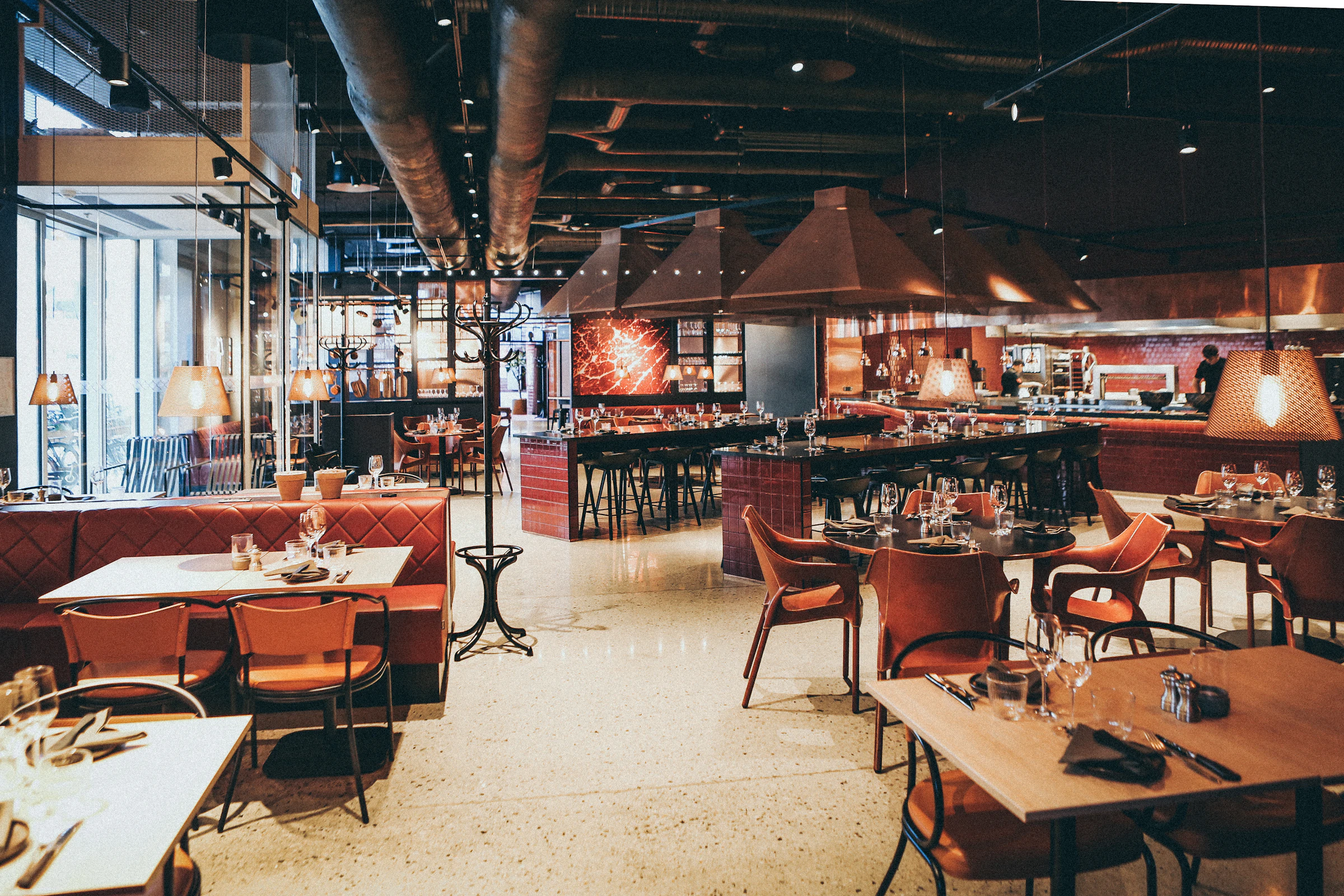
Client
Premium casual dining restaurant
Team size
2 outlets, 80-seat capacity
Industry
Restaurants & Food
Build
QR menu -> WhatsApp order -> payment link -> kitchen ticket -> table booking -> loyalty follow-up
Aggregator orders were growing, but direct customer ownership was weak
The restaurant had strong food quality but depended heavily on delivery platforms. Customer phone numbers, repeat order behavior, and reservation intent were not captured in one place. Staff handled table bookings manually during peak hours, and many repeat customers never received a timely offer.
A direct WhatsApp flow for orders, reservations, and loyalty
We built a WhatsApp-first ordering and reservation workflow. QR menus opened a structured WhatsApp conversation. Customers could order, pay, reserve a table, ask about menu items, and receive loyalty offers. All customer activity synced to a lightweight CRM so the restaurant could market to its own audience.
Documented delivery scope
What this case study can evidence
This case study is based on the delivery scope documented on this page: qr menu -> whatsapp order -> payment link -> kitchen ticket -> table booking -> loyalty follow-up for a premium casual dining restaurant in Delhi NCR, India. It is an implementation record, not a promise that another business will see the same outcome.
Workflow evidence
The recorded build includes qr and ad entry points, menu and order capture, payment and kitchen routing, reservation reminders, loyalty and reactivation. Each step is shown below so readers can see the stated handoffs rather than infer hidden work.
Tools and ownership
The listed tools support the defined workflow: WhatsApp Business API for ordering, reservation, and loyalty conversations; n8n for menu logic, routing, reminders, and segmentation; Google Sheets for order log and customer list; Payment Links for prepaid order collection; Google Business Profile for high-intent local entry point. Final operating ownership remains with the client team.
How to read results
The results section reports only the stated direct customer data and booking reliability and staff workload and repeat visits. Context, offer quality, team response, and adoption affect any future implementation.
Evidence-led delivery record
Context, scope, handover, and measurement
The details below are limited to the documented record on this page. They clarify what was in scope for this premium casual dining restaurant in Delhi NCR, India; they do not add unverified client facts, guarantees, or transferable outcome claims.
Starting constraint
The restaurant had strong food quality but depended heavily on delivery platforms. Customer phone numbers, repeat order behavior, and reservation intent were not captured in one place. Staff handled table bookings manually during peak hours, and many repeat customers never received a timely offer.
Agreed implementation scope
We built a WhatsApp-first ordering and reservation workflow. QR menus opened a structured WhatsApp conversation. Customers could order, pay, reserve a table, ask about menu items, and receive loyalty offers. All customer activity synced to a lightweight CRM so the restaurant could market to its own audience.
Launch and handover boundaries
The recorded workflow identifies the delivery path from qr and ad entry points through loyalty and reactivation. The listed tools and owners are the reference for testing, exception handling, and operational handover; this page does not claim work beyond that recorded scope.
How the change is assessed
The recorded measures are direct customer data, booking reliability, staff workload, repeat visits. They provide the stated review points for this implementation; results depend on the client context, adoption, and operating process.
Workflow Built
QR and ad entry points
QR menus, Instagram links, and Google Business Profile buttons open a pre-filled WhatsApp flow.
Menu and order capture
Customers choose dine-in, takeaway, delivery, or reservation, then receive menu categories and item options.
Payment and kitchen routing
Confirmed orders trigger payment links and kitchen notifications with customer details and order notes.
Reservation reminders
Table bookings trigger confirmation, location, and reminder messages before the booking time.
Loyalty and reactivation
Repeat customers receive segmented offers based on last order, birthday, and visit frequency.
Results
Direct customer data
Orders and reservations created a restaurant-owned customer database
Booking reliability
Automated confirmations reduced missed or forgotten reservations
Staff workload
Peak-hour phone handling reduced through structured WhatsApp flows
Repeat visits
Segmented loyalty messages created a predictable reactivation channel
FAQs
Can restaurants take orders directly on WhatsApp?+
Yes. WhatsApp can collect item choices, delivery details, payment links, and customer notes. The order can be pushed to staff, a POS, or a kitchen sheet.
Can this replace Swiggy or Zomato?+
It does not need to replace aggregators immediately. It gives restaurants a direct channel for repeat customers, private offers, table reservations, and takeaway orders.
Can WhatsApp handle table reservations?+
Yes. The automation can ask date, time, party size, occasion, and phone number, then confirm the table and send reminders.
Does the system support multiple outlets?+
Yes. The flow can ask for outlet location or detect it from the QR code and route orders or bookings to the correct team.
Related Case Studies


Want a Workflow Like This?
We can map your lead flow, identify manual delays, and build the automation layer that makes follow-up instant.
Book a Free Automation Audit