How to Validate an App Idea Before Building an MVP
Validate an app idea through user problems, workflows, prototype feedback, operating constraints, and a focused MVP before committing to a larger build.

On this page
An app idea is not validated because friends like it or a competitor has something similar. It is validated when a defined audience has a real problem, the proposed workflow is believable, and the business can explain how it will learn from an initial release. This matters before code, because an unclear app idea becomes an expensive backlog.
This guide connects Scallar's app development service with the MVP scope guide, app cost guide, and app development pricing.
Define One User and One Painful Workflow
Describe the user, their starting point, the task they cannot complete well today, and the result they need. “An app for customers” is too broad. “A field manager needs to assign and confirm a service visit without returning to a spreadsheet” is a workflow a team can test.
Speak with prospective users, sales staff, operations teams, and support teams. Look for the current workaround: messages, spreadsheets, calls, repeated data entry, missed handoffs, or slow approval. The workaround is evidence about where the initial product can create value.
MVP Validation Checklist
- What specific problem does the first user need solved?
- What is the smallest complete workflow that proves the value?
- What information, permissions, integrations, or human approvals are required?
- How will users discover, start, and finish the task?
- What would make the release unsafe, confusing, or impossible to operate?
- Which behaviour will tell the team whether to improve, expand, or stop?
Prototype Before a Full Build
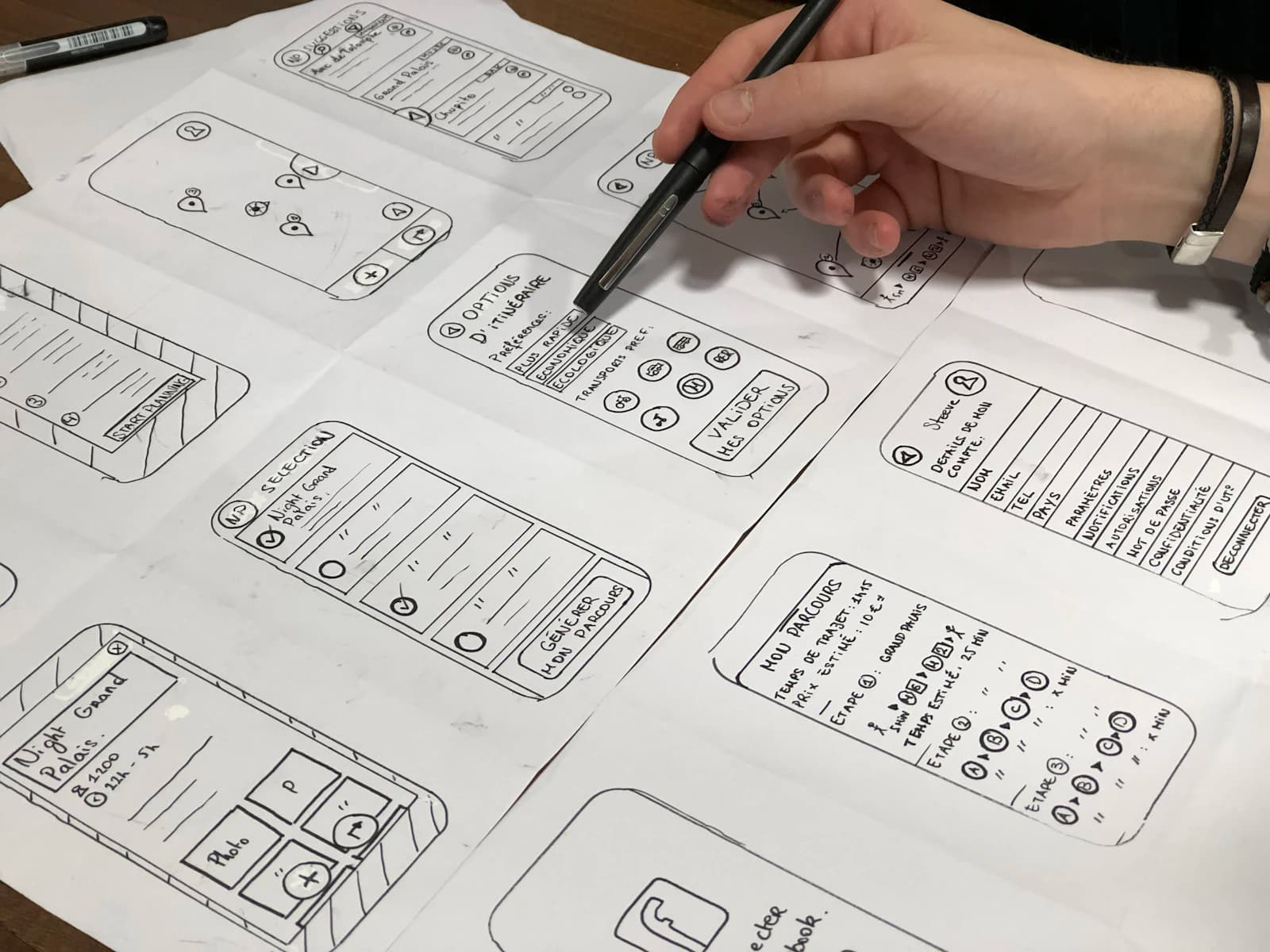
Use simple flows, wireframes, clickable prototypes, or a manually operated version of the process to test assumptions. The purpose is not to simulate a finished app perfectly. It is to discover whether people understand the value, where they hesitate, what they need to complete the task, and which information the business must manage.
Then make a platform choice. The Android versus iOS guide and Flutter versus React Native guide explain why this is a product decision, not a default technology choice.
Treat App-Store Launch as a Delivery Workstream
An app store is not just a distribution button. Release work includes account ownership, privacy disclosures, screenshots and copy, permissions, test builds, device checks, support contact information, review feedback, versioning, and a path for urgent fixes. The mobile app QA checklist should be part of launch readiness, not a final rush.
Plan the Handoff After the First Release
Decide who owns app-store accounts, code, analytics, cloud services, customer support, content, and the next prioritisation meeting. The app maintenance guide explains why that operating model belongs in the MVP decision.
If you need to turn a high-value workflow into a testable MVP, contact Scallar. We can help with discovery, UX, technical scope, CRM integration, QA, and a controlled launch plan.
Measure the First Release Without Inventing a Success Story
Before launch, decide which signals will be reviewed and what decision they support. A booking product may track successful request completion, confirmation failures, time to staff response, and repeat usage. An internal operations app may track handoff time, error rate, manual steps removed, and exceptions that still need human review. Numbers should be interpreted with feedback from real users; one week of activity rarely proves that a product direction is correct.
After the first release, hold a short review with the people who own the workflow. Keep the next backlog tied to evidence: recurring friction, unfinished tasks, support questions, technical reliability, and the business value the product was meant to create. This is how an MVP becomes a managed product rather than a one-time launch.
Questions Buyers Usually Ask
How do I validate an app idea without building the full app?
Test the target user's problem and core workflow with interviews, prototypes, manual service delivery, or a narrow first release. Define the evidence that would justify the next investment.
What should an MVP include?
Only what is needed for the first user to complete the core task safely and for the business to learn from the result.
Related service
App Development
Native and cross-platform mobile applications for iOS and Android.