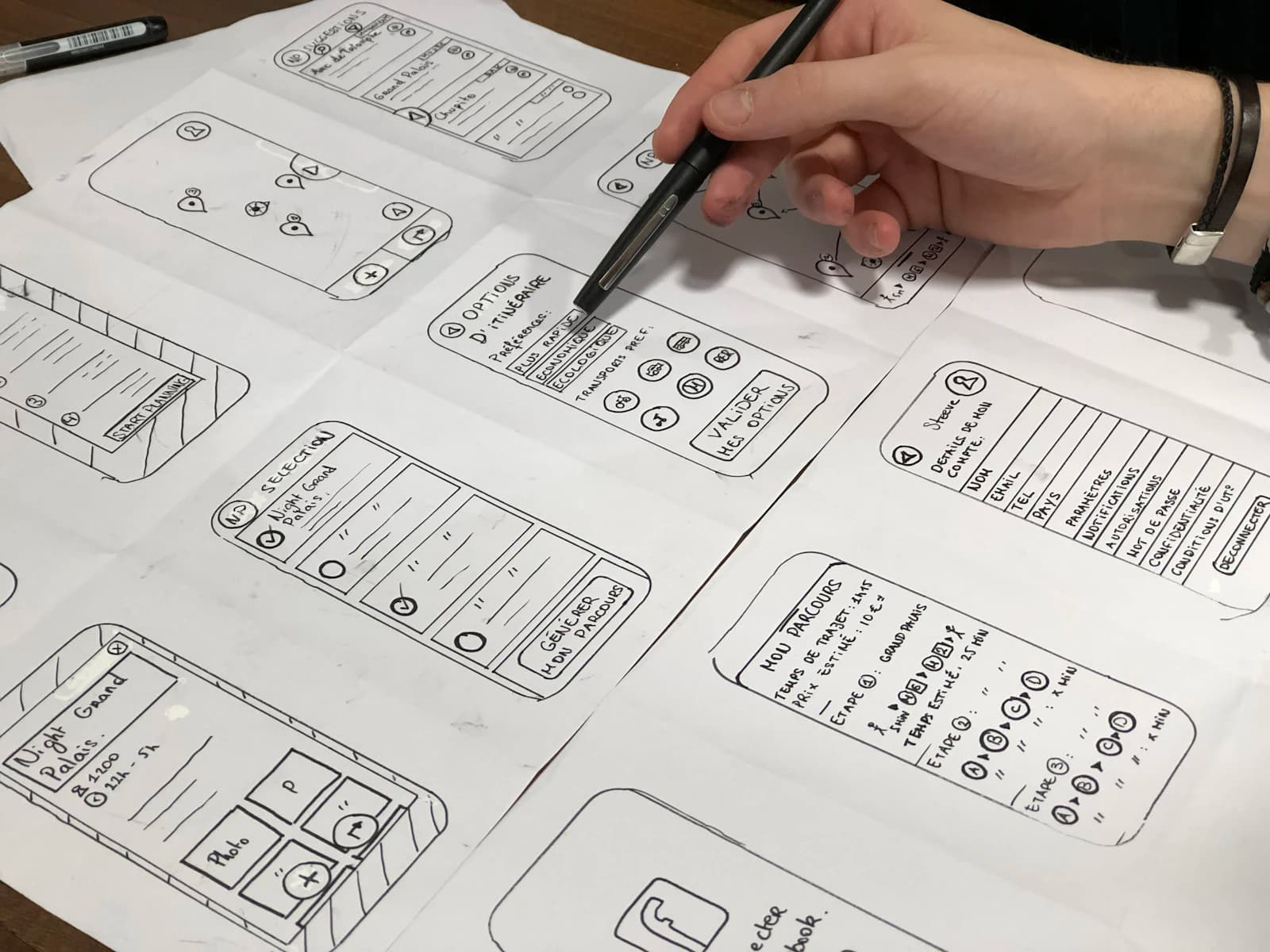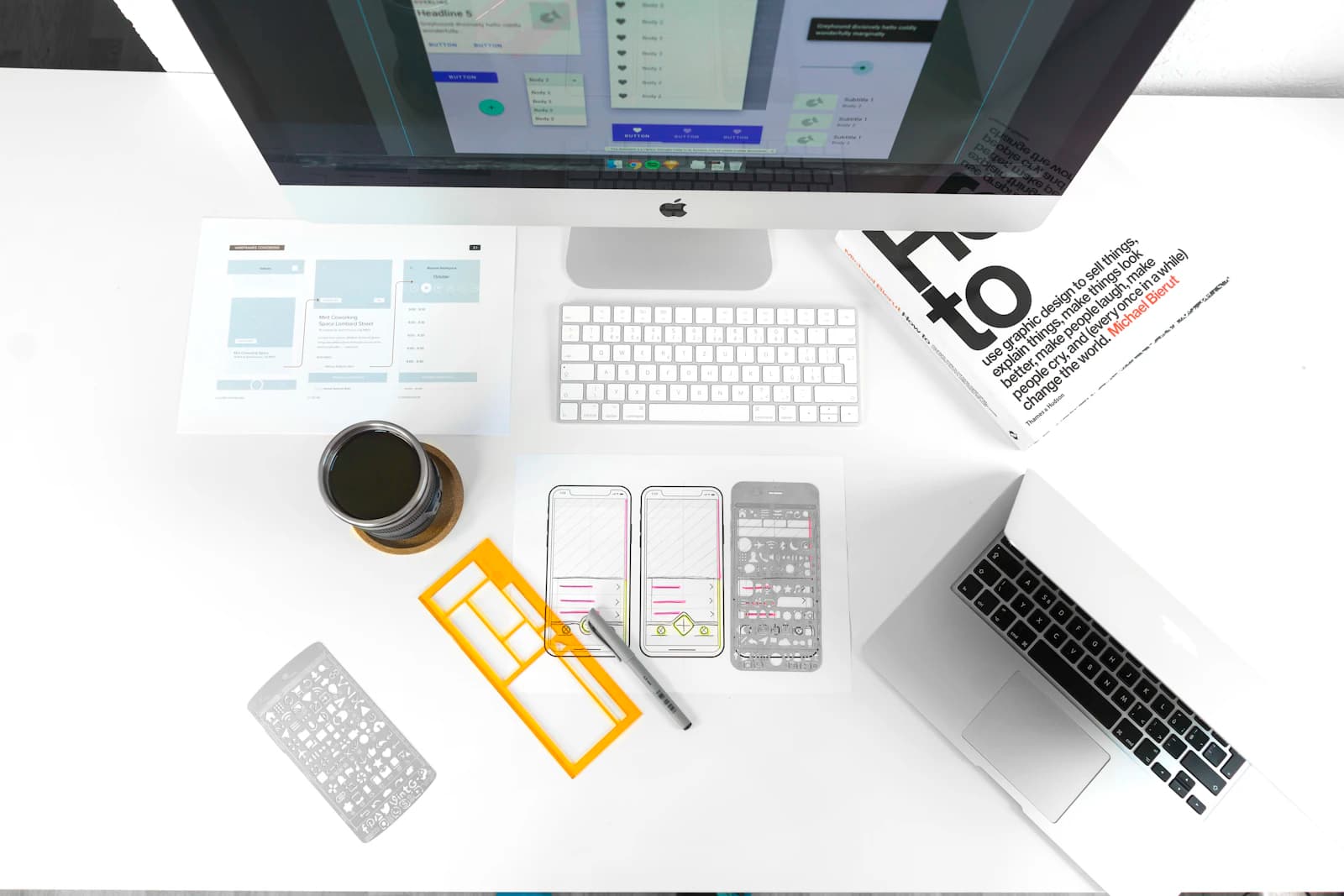
Mobile product interface designs arranged beside a desktop design workspace

iPhone and iPad product delivery

iOS App Development with Product Discipline Beyond the Interface

Scallar plans iOS products around the customer journey, Apple platform behavior, backend contracts, privacy expectations, App Store preparation, analytics, and the team that will own the product after release.

01

iPhone, iPad, or universal scope

02

Native behavior and accessibility

03

Privacy and account ownership

04

App Store review preparation

What the engagement covers

Delivery decisions that stay visible

Native interaction quality, dependable integrations, and App Store readiness. The proposal names assumptions, exclusions, responsibilities, and acceptance evidence so the product can be evaluated beyond a screen count.

iOS product planning

Translate the business workflow into a release that fits Apple devices and user expectations.

  • User journeys and release priorities
  • iPhone and iPad layout decisions
  • Permissions and privacy mapping
  • Analytics and subscription events

Application engineering

Connect interface behavior to dependable APIs, identity, data, and operational controls.

  • Swift or justified cross-platform stack
  • Authentication and secure storage
  • Payments, notifications, and deep links
  • Backend, CRM, and third-party APIs

App Store delivery

Treat review preparation, production credentials, and support as part of delivery.

  • TestFlight review workflow
  • Device and OS regression checks
  • Store assets and privacy details
  • Monitoring and release ownership

A reviewable delivery path

From product question to owned release

Each stage resolves a different source of uncertainty. Decisions, not activity, move the project forward.

  1. 01

    Clarify the iOS opportunity

    Identify priority users, device contexts, business rules, data, and the first useful release.

  2. 02

    Prototype key interactions

    Validate navigation, permissions, platform features, and integration assumptions before full development.

  3. 03

    Engineer the complete journey

    Build interface, backend integration, admin controls, analytics, and failure handling together.

  4. 04

    Prepare App Store operations

    Complete TestFlight QA, store material, privacy inputs, account handover, and support planning.

Mobile application workflow sketches used during product discovery

Scope before estimate

Plan for the product, not only App Store approval

A successful review is one milestone. The iOS product also needs clear API ownership, privacy decisions, accessibility, analytics, support, and a release process that survives changes to devices, operating systems, and dependencies.

  • iPhone and iPad layout requirements
  • Native features, permissions, and background behavior
  • Subscriptions, payments, or account workflows
  • Backend and third-party integration complexity
  • TestFlight, App Store, monitoring, and maintenance

Useful outputs

What your team should be able to own

01

iOS product scope

User journeys, release priorities, privacy dependencies, platform assumptions, and acceptance criteria.

02

Tested application

Responsive iOS interface, integrations, analytics events, error states, and signed release builds.

03

Release handover

App Store Connect ownership, certificates, documentation, monitoring, and an agreed support process.

Questions before scoping

Frequently asked questions

Can Scallar build an app for both iPhone and iPad?+

Yes. The scope should define whether the same workflow needs responsive iPad layouts or a different tablet experience instead of assuming that every phone screen should simply stretch.

Do you use Swift for iOS development?+

Swift can be appropriate for native iOS products. Scallar can also assess cross-platform delivery when product requirements, native capabilities, testing, and long-term ownership support it.

Can an iOS app integrate with payments or subscriptions?+

Yes, subject to the product model and applicable Apple policies. The proposal should distinguish App Store payments, third-party services, backend work, and recurring operating charges.

Does Scallar handle App Store submission?+

Submission preparation can be included. The client should retain control of its App Store Connect account, legal details, agreements, and final approval responsibilities.

How do you protect user data in an iOS app?+

The architecture should minimize data collection, use appropriate authentication and storage, secure API communication, define permissions clearly, and document where data is processed.

What affects iOS app development cost?+

Major factors include workflows, devices, backend, integrations, native features, subscriptions, interface depth, testing, App Store preparation, and maintenance.

A practical next step

Bring the workflow, users, and constraints. We will help shape the release.

Scope your iOS product
Call UsWhatsApp