Ecommerce mobile interface being tested alongside its desktop application

Mobile commerce product delivery

Ecommerce Mobile Apps That Connect the Storefront to Operations

Scallar plans mobile commerce around product discovery, account, checkout, payments, order status, support, analytics, inventory, and the systems your team already operates.

01

App value beyond the website

02

Catalogue and inventory source

03

Checkout and payment model

04

Retention and support workflow

What the engagement covers

Delivery decisions that stay visible

A coherent buying journey connected to catalogue, orders, support, and analytics. The proposal names assumptions, exclusions, responsibilities, and acceptance evidence so the product can be evaluated beyond a screen count.

Commerce journey design

Define the app value and buying path before recreating an existing website on a smaller screen.

  • Discovery, search, and filtering
  • Account, wishlist, and loyalty journeys
  • Cart, checkout, and payment states
  • Order, return, and support workflows

Commerce integrations

Connect the app to one dependable source for product, customer, order, and fulfilment data.

  • Commerce platform and catalogue APIs
  • Inventory, price, and promotion rules
  • Payments and order management
  • CRM, support, notifications, and analytics

Release and growth readiness

Instrument the product and operations before spending on acquisition.

  • Analytics event plan
  • Deep links and campaign attribution
  • Crash, error, and checkout monitoring
  • Store releases and enhancement roadmap

A reviewable delivery path

From product question to owned release

Each stage resolves a different source of uncertainty. Decisions, not activity, move the project forward.

  1. 01

    Define the app advantage

    Confirm which repeat, loyalty, service, or operational journey justifies an installed mobile product.

  2. 02

    Map commerce systems

    Identify catalogue, inventory, account, pricing, payment, order, fulfilment, support, and analytics owners.

  3. 03

    Build the complete buying path

    Deliver discovery through post-purchase with error states and operational handoffs included.

  4. 04

    Validate and release

    Test real devices, payments, promotions, inventory states, analytics, support, and store builds.

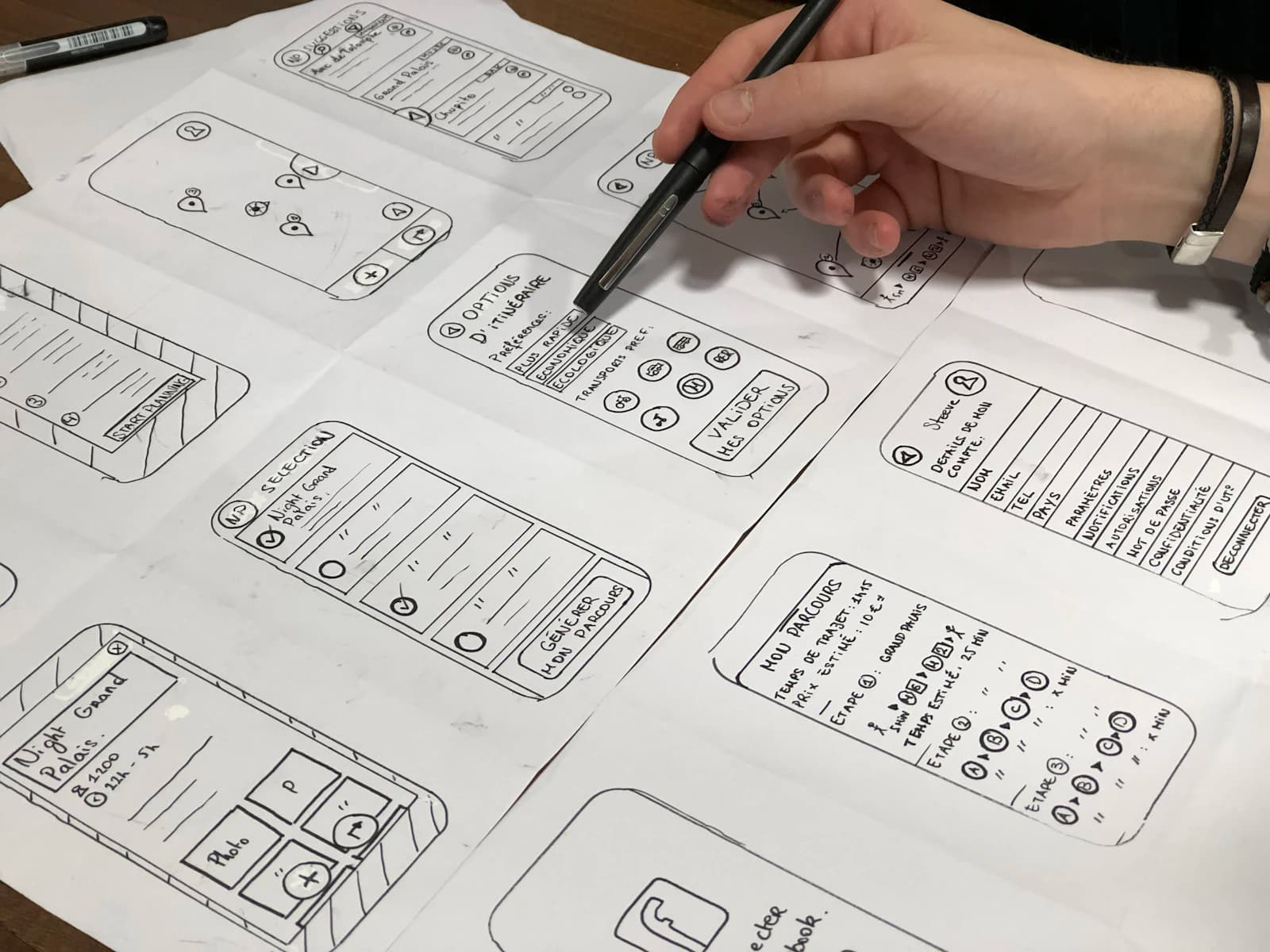
Mobile application workflow sketches used during product discovery

Scope before estimate

A commerce app is not a wrapper around a website

The product needs a reason to exist, dependable commerce APIs, correct inventory and pricing behavior, secure checkout, post-purchase support, analytics, and an operating team. A thin wrapper rarely solves those needs.

  • Catalogue, search, filter, and content scale
  • Customer account and loyalty requirements
  • Cart, payment, promotion, and tax rules
  • Order, return, fulfilment, and support integrations
  • Attribution, analytics, retention, and release operations

Useful outputs

What your team should be able to own

01

Commerce product map

User journeys, app value, system dependencies, data owners, analytics, and first-release boundary.

02

Connected shopping app

Mobile interface, commerce APIs, account, checkout, payments, orders, support, and error handling.

03

Growth and operations handover

Analytics definitions, store ownership, monitoring, campaign links, support path, and release process.

Questions before scoping

Frequently asked questions

Does every ecommerce business need a mobile app?+

No. An app needs a clear advantage such as repeat purchase, loyalty, service, personalization, field use, or a mobile-specific workflow. A responsive website may be the better first investment for some businesses.

Can the app connect to Shopify or WooCommerce?+

It can connect where suitable APIs and platform capabilities exist. The scope should confirm catalogue, customer, cart, checkout, order, promotion, inventory, and webhook behavior.

Can an ecommerce app support UPI and payment gateways?+

Payment options can be integrated subject to gateway capabilities, platform rules, business eligibility, security requirements, and separate provider charges.

How do you track ecommerce app performance?+

Define events for discovery, search, product views, cart, checkout, purchase, retention, support, and campaign attribution, then validate those events before launch.

Can Scallar add WhatsApp order support?+

Approved order and support workflows can connect with WhatsApp automation when consent, message templates, system access, and ownership are clearly scoped.

What affects ecommerce app cost?+

Cost depends on catalogue scale, account features, payments, promotions, inventory, orders, integrations, design, devices, testing, analytics, and maintenance.

A practical next step

Bring the workflow, users, and constraints. We will help shape the release.

Plan your mobile commerce app
Call UsWhatsApp