Developer checking a mobile interface against its application build on a laptop

React Native product engineering

React Native Development with Clear Native Boundaries

Scallar builds React Native products when a shared JavaScript or TypeScript approach fits the workflow, required native capabilities, team skills, testing model, and long-term maintenance plan.

01

Shared TypeScript capability

02

Native module boundaries

03

Performance-sensitive journeys

04

Two-platform QA and releases

What the engagement covers

Delivery decisions that stay visible

Shared product logic with platform-specific decisions kept visible. The proposal names assumptions, exclusions, responsibilities, and acceptance evidence so the product can be evaluated beyond a screen count.

Architecture and product fit

Define where React Native helps and where platform code or separate experiences remain necessary.

  • Workflow and navigation architecture
  • Native SDK dependency review
  • Performance and offline constraints
  • Team and maintenance capability

Application delivery

Connect a coherent mobile interface to stable services and operational controls.

  • Reusable TypeScript components
  • Authentication and API clients
  • Notifications, links, and analytics
  • Native modules isolated behind clear interfaces

Release resilience

Plan for framework, package, OS, and store changes from the first production release.

  • Android and iOS regression checks
  • Package health and upgrade strategy
  • Store signing and build automation
  • Monitoring and support ownership

A reviewable delivery path

From product question to owned release

Each stage resolves a different source of uncertainty. Decisions, not activity, move the project forward.

  1. 01

    Map product and native needs

    Confirm shared journeys, platform differences, APIs, device functions, and release constraints.

  2. 02

    Test the native boundary

    Prototype high-risk SDKs, performance paths, background behavior, or complex integrations.

  3. 03

    Build reviewable product slices

    Deliver complete journeys across interface, API, analytics, and failure states.

  4. 04

    Test and transfer ownership

    Complete platform QA, store builds, documentation, package inventory, and maintenance planning.

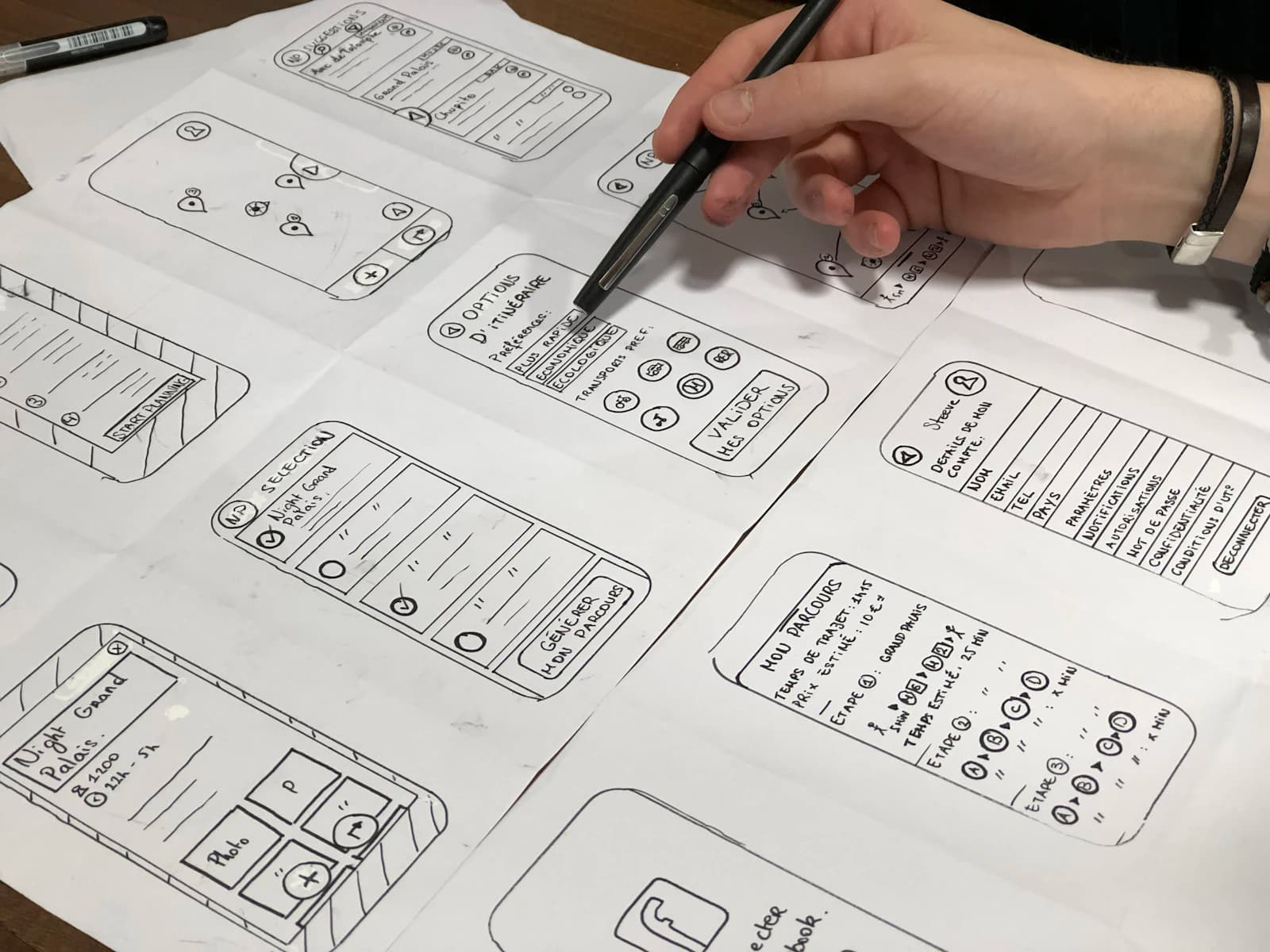
Mobile application workflow sketches used during product discovery

Scope before estimate

Keep native work visible in a shared-code estimate

React Native does not remove Apple and Android platform work. Store releases, native SDKs, permissions, background behavior, accessibility, and device testing still need owners and acceptance criteria.

  • JavaScript or TypeScript application architecture
  • Native modules and vendor SDKs
  • Backend, identity, and integration scope
  • Android and iOS behavior and QA
  • Framework and package upgrade planning

Useful outputs

What your team should be able to own

01

Architecture map

Shared modules, native dependencies, data flows, analytics, release assumptions, and replacement risks.

02

Cross-platform product

Tested React Native interface, API layer, analytics, native integrations, and store-ready builds.

03

Maintenance baseline

Dependency inventory, build instructions, account ownership, monitoring, and future upgrade responsibilities.

Questions before scoping

Frequently asked questions

Is React Native suitable for enterprise apps?+

It can be, provided identity, permissions, device management, integrations, offline behavior, security review, testing, and internal ownership are scoped explicitly.

Can React Native use native device features?+

Yes, through maintained packages or custom native modules. The scope should identify each dependency and who owns updates when Android or iOS changes.

Is React Native the same as a web app?+

No. React Native renders native mobile interfaces and can use device APIs. It shares concepts with React, but mobile navigation, permissions, builds, stores, and native integrations require separate work.

Can an existing React website become a React Native app?+

Business logic and team knowledge may be reusable, but web components generally do not transfer directly. Mobile journeys, navigation, interaction, storage, permissions, and testing need product-specific work.

How do React Native apps get tested?+

Testing should include shared logic, native integrations, target devices, OS versions, permissions, networks, API failures, accessibility, analytics, and both store builds.

What affects React Native development cost?+

Scope depends on workflows, platform differences, native modules, backend, integrations, design, testing, release operations, and maintenance responsibilities.

A practical next step

Bring the workflow, users, and constraints. We will help shape the release.

Review your React Native scope
Call UsWhatsApp